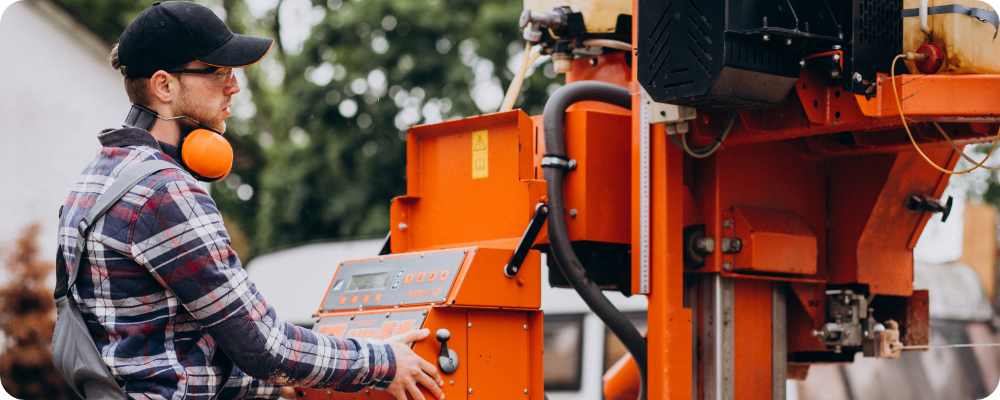
Plant equipment is one of the biggest investments a construction, hire or agricultural operation makes, and every machine needs to stay productive for as long as possible to deliver a return.
Theft, misuse, poor maintenance, and wear all cut that working life short. Effective plant security combines day-to-day care, trained operators, and the right technology. In this guide, we look at seven practical ways to safeguard plant machinery and extend its lifespan.
Key takeaways
- Keeping equipment in good repair is a legal duty under the Provision and Use of Work Equipment Regulations (PUWER). Planned servicing and daily checks of plant equipment catch faults early
- Trained operators cause less wear and fewer accidents, and keypad access control stops unauthorised use
- Working within rated capacities protects engines, hydraulics and structures from early failure
- Secure, well-lit storage, immobilisation, and the use of tracking devices during downtime reduce the opportunity for theft
- Asset trackers provide live location and movement alerts, and a better chance of recovery
- Physical locks, immobilisers, CCTV, and CESAR registration deter thieves and help police identify stolen kit
- Up-to-date plant inspection and maintenance records support compliance, insurance claims and resale value
7 ways to protect plant machinery
Plant security and equipment health go hand in hand. A machine that’s well-maintained, operated correctly, and protected from theft will work better for longer.
Here are a few steps you can take to ensure the longevity of your operation’s equipment:
1. Preventative maintenance
Preventative maintenance is the best way to protect your bottom line against replacement costs or major repairs.
A worn hose, low hydraulic fluid, or a loose track caught during a routine check costs far less than a breakdown mid-job. Scheduling and monitoring regular servicing also keeps machines running efficiently, which reduces fuel use and strain on major components.
It’s a legal requirement too. PUWER requires equipment to be maintained in an efficient state, in efficient order, and in good repair.
Here’s how to adopt preventative maintenance into your operation:
- Follow manufacturer schedules: base service schedules on usage, using the manufacturer’s handbook as your guide.
- Run daily walkaround checks: ask operators to check fluids, tyres or tracks, hoses, lights, and guards before every shift.
- Make fault reporting simple: give operators a quick way to flag problems, and take faulty machines out of use until they’re repaired.
- Plan around usage: use engine hours and utilisation data to schedule services before a machine is due, not after it fails.
2. Invest in training
Operators can directly contribute to machinery wear and tear, especially if they’re not adequately trained.
The most common qualifications for plant machinery and equipment include CPCS (Construction Plant Competence Scheme) and NPORS cards (National Plant Operators Registration Scheme). Experience on similar kit isn’t a substitute for familiarisation, though. Brief operators on any new or hired machine before they use it, and book refresher training whenever you bring in new equipment.
Some machines, like excavators, don’t legally require CPC or NPORS cards. However, most employers make it an internal requirement to keep everyone on site safe.
Here are some other steps to ensure you’re investing in your site’s safety and plant security:
- Train staff on health and safety practices
- Ensure staff display competent skills before carrying out higher-risk tasks
- Conduct regular machine safety tests
- Support your team in achieving necessary qualifications for operating machinery
- Establish clear guidelines on who can operate what
- Allow only authorised, trained staff to start each machine
3. Avoid overloading machinery
Every machine has a rated capacity for a reason. Pushing beyond it strains engines and structural components, shortening their life and increasing the risk of requiring major repairs or even failure. Overloaded machines are also less stable and more likely to tip, creating a real safety risk for your team.
The simplest safeguard is choosing the right machine for the job. A smaller excavator or telehandler pushed to its limits day after day will wear out much faster than a larger one working comfortably within its limits. Keep up-to-date load charts in every cab, and make sure operators know how to read them.
Different types of equipment have different loading requirements. Lifting, for example, carries specific requirements. The HSE states that excavators used for lifting operations must be thoroughly examined and fitted with additional safety devices, such as check valves and an audible warning device. Only certified staff should plan each lift and confirm the machine is suitable before work starts.
4. Safe storage during downtime
Equipment left unattended on site is more vulnerable to harsh weather conditions and under-utilisation if not stored properly.
Poor plant equipment security costs the construction industry an estimated £800 million a year. This figure includes equipment replacement costs, reduced productivity, project delays, and higher insurance premiums.
Keep your equipment protected with these storage tips:
- Store plant in a secure compound behind fencing, with good lighting and CCTV where possible
- Park larger machines to block in smaller ones, lower buckets and attachments to the ground, and keep kit out of sight from the road
- During long shutdowns, consider moving high-value equipment off site altogether
- Install asset tracking devices and set geofencing alerts to be notified when equipment leaves a dedicated area
Wherever you store a machine, the same end-of-day routine applies:
- Remove keys
- Lock cabs and fuel caps
- Set immobilisers
- Keep batteries charged during long breaks
5. Use plant tracking technology
Plant tracking gives you the best chance of recovering stolen equipment, and it’s one of the most effective deterrents available.
MagTrack is a GPS tracker built for plant and heavy equipment. Because it doesn’t rely on the machine’s own power, it works on unpowered assets, such as generators, compressors and trailers, and you can move it between assets as your fleet changes. Location data feeds into a single dashboard and app, showing live positions, route history and alerts.
- Long battery life: up to five years on a single charge, with automatic low-battery alerts
- Reliable location: GPS positioning with cell-ID backup when GPS signal isn’t available
- Adjustable tracking: set different update frequencies for moving and stationary assets
- No data gaps: stores up to 1,000 messages when out of signal, and syncs automatically when it reconnects
- Tamper and motion alerts: motion and light sensors flag unexpected movement or interference with the device
- Geofencing: get alerts as soon as a machine leaves a site or set area
- Insurance approved: Thatcham S7 certified and backed by certified recovery support
Tracking operational-critical equipment also shows how and where each machine is being used. This helps you plan maintenance around accurate usage data, identify underused kit, and improve equipment utilisation and longevity.
6. Security systems
In 2024 alone, UK businesses experienced around £3.5 billion in stolen equipment. That cost significantly impacts costs, project timelines, and customer satisfaction.
The most effective heavy machine security doesn’t rely on a single solution; it uses multiple techniques to keep equipment safe.
- Fencing, lighting, alarms and monitored CCTV keep thieves out or make them easier to spot
- Wheel clamps, track locks, hitch locks, and lockable fuel caps make equipment harder to move
- Access control systems stop it starting without an authorised key or code
- Tracking devices help you find a machine if every other layer fails
Registration schemes strengthen the identification layer. The Construction Equipment Association reports that machines registered with the CESAR scheme are six times more likely to be recovered if stolen, and four times less likely to be stolen in the first place.
7. Maintain compliance records
Accurate records prove you’re meeting your compliance obligations and make every other step on this list easier to manage.
Under PUWER, you must record inspection results and keep them at least until the next inspection. Lifting equipment also needs a thorough examination under LOLER, usually every 12 months, or every six months for lifting accessories and equipment used to lift people.
For each machine, keep a single digital record covering:
- Service, repair and inspection history
- LOLER thorough examination reports, where relevant
- Serial numbers, photos and CESAR registration details
- Operator training and authorisation
A complete history supports insurance claims, increases resale value, and reveals repair patterns that can flag more serious issues.
Why it’s important to maximise the life of plant machinery
Plant equipment is often an operation-critical asset, which means protecting them is a top priority. Theft, unauthorised use, poor maintenance, overloading, weather damage, and vandalism all shorten a machine’s life and add to project costs.
- Recovery: In the UK, plant machinery has less than a 10% chance of being recovered following theft
- Operational impact: Operational losses from stolen or misplaced plant equipment can delay projects, increase downtime, and require replacement machinery, which can disrupt workflow and reduce overall project productivity
- Insurance considerations: Many insurers provide favourable terms to businesses that adopt plant equipment security, such as advanced tracking and access control
FAQs
What are the biggest risks facing plant machinery?
The biggest risks facing plant equipment security are theft, unauthorised use, poor maintenance and overloading. Theft causes the most immediate loss, with recovery rates low for untracked equipment. Unauthorised use and poor operating technique add wear and raise the risk of accidents, while missed maintenance and overloading lead to component failure. Weather exposure can also force machines into unnecessary early retirement.
How often does plant machinery need to be serviced?
Service plant machinery according to the manufacturer’s schedule, usually based on engine hours, and have the operator carry out daily pre-use checks.
What role can telematics play in safeguarding plant machinery?
Telematics strengthens plant security by providing real-time location data and offers insights into equipment usage, maintenance needs, and performance metrics to improve security and enhance operational efficiency.
Safeguard your plant machinery with MagTrack by Matrix iQ
Protecting plant machinery takes a combination of good habits and the right technology. MagTrack gives you real-time visibility of every machine, instant alerts and certified recovery support.
Contact the Matrix iQ team to learn how MagTrack can strengthen your plant security.